Top 10 Accounting Resume Skills for 2026
Bad accounting resumes fail for a simple reason. They list broad skills and waste the strongest keywords in the wrong places.
Accounting, QuickBooks, GAAP, finance, bookkeeping, and Excel appear repeatedly in accounting postings, as noted in Jobscan’s accounting skills analysis. Use that pattern to write for both ATS filters and hiring managers.
This guide shows you how to do it right. Use the exact keyword variants employers scan for. Put them in the summary, skills section, and bullet points where they carry weight. Then tailor them by role and seniority so a staff accountant resume does not read like a controller resume.
You will also get bullet examples with metrics, placement instructions, and role-specific guidance you can apply fast. If you need formatting ideas before you rewrite, review these business resume examples and templates.
Table of Contents
1. Financial Statement Analysis and Reporting
Put this skill near the top of your resume. Hiring teams use it to separate accountants who only close the books from accountants who can explain the numbers, spot issues, and support decisions.
Use exact keyword variants from the job description. Start with financial statement analysis, financial reporting, variance analysis, management reporting, month-end reporting, board reporting, cash flow analysis, balance sheet review, income statement analysis, and consolidated reporting. Add tools and outputs that fit your background, such as Excel, Power BI, dashboard reporting, KPI reporting, or executive presentation. For more examples of strong skills formatting, review these resume skills examples and placement strategies.
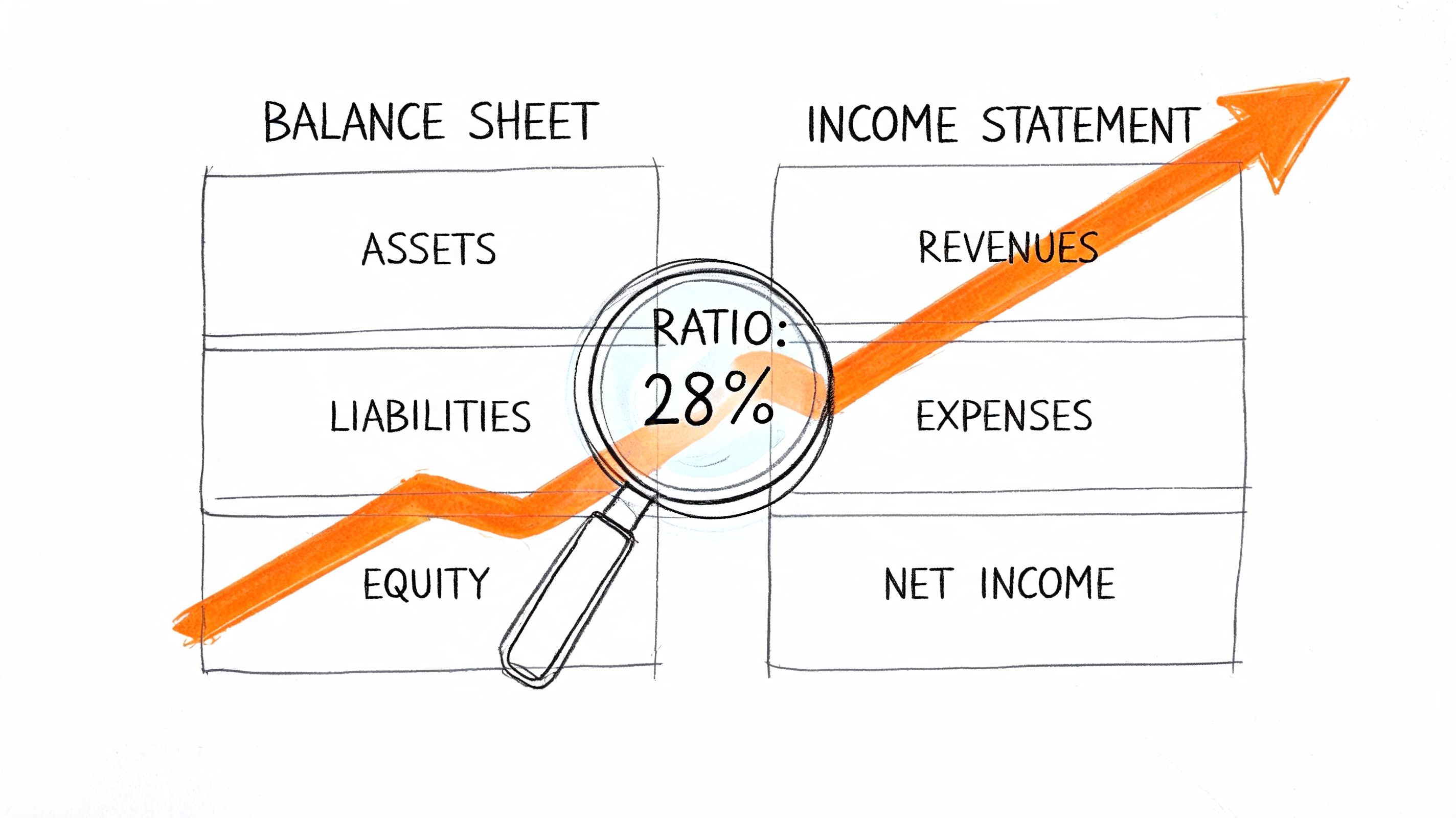
Use the exact reporting terms employers scan for
Do not write vague bullets like “prepared reports” or “supported finance.” Name the statement, the audience, the tool, and the result. Keep the keyword close to the proof. That improves ATS matching and makes the bullet credible to a human reviewer.
Use this rule. Pair the report you produced with the decision it supported, then add scope or frequency.
BeforeResponsible for preparing monthly financial reports.AfterPrepared monthly balance sheet, income statement, and cash flow reporting for leadership in Excel and Power BI, explained variance drivers, and recommended follow-up actions before close review.BeforeWorked on financial analysis for management.AfterPerformed horizontal, vertical, and ratio analysis on monthly financial statements, summarized margin trends for management, and identified reporting discrepancies before sign-off.If you need stronger bullet structure, review a few business resume examples and templates and copy the format, not the phrasing.
Tailor this skill by level. Entry-level candidates should emphasize preparation, support, and accuracy. Write bullets like “assisted with monthly reporting packages,” “compiled supporting schedules,” or “updated variance reports for senior accountants.” Senior accountants and controllers should emphasize review, interpretation, and communication. Write bullets like “reviewed consolidated financial statements, explained budget-to-actual variances, and presented findings to department leaders.”
If your work included reconciled cash reporting or balance sheet review, connect it to reporting quality, not general ledger cleanup. A good reference point is this CFO's guide to bank reconciliation. It shows the level of control and statement accuracy employers expect when they read reporting bullets.
2. General Ledger and Accounts Reconciliation
General ledger and reconciliation work proves you can keep the books accurate under pressure. Treat this section as an ATS keyword block and a proof block. Name the work plainly. Then back it up with bullets that show scope, frequency, and error reduction.
Use keyword variants that match the job posting: general ledger, GL accounting, journal entries, adjusting entries, month-end close, account reconciliation, bank reconciliation, balance sheet reconciliation, intercompany reconciliation, subledger tie-out, account analysis, variance investigation, and close support. Put the exact phrase in your skills section once. Repeat the strongest terms in your experience bullets.
Write bullets that show control
Employers want evidence that you can close clean books, not vague claims about helping with accounting. State what accounts you reconciled, how often you handled them, what systems you used, and what happened after your review.
BeforeHandled reconciliations and journal entries.AfterPosted recurring and adjusting journal entries, reconciled 25 plus bank and balance sheet accounts each month, and cleared reconciling items before final close review.BeforeManaged the general ledger.AfterMaintained general ledger accuracy by reviewing account coding, correcting posting errors, and supporting a 4-day month-end close in QuickBooks and NetSuite.Add metrics whenever you can. Use account volume, close deadlines, dollar values, exception counts, or aging of open items. Strong bullets sound like this: reconciled 40 balance sheet accounts monthly, reduced unreconciled items by 30%, supported on-time close for 12 straight months, or identified and corrected $85K in posting discrepancies before reporting.
If your target role centers on cash activity, match the language finance leaders use in this CFO's guide to bank reconciliation. It gives you the right terms for outstanding checks, deposits in transit, statement tie-outs, and control review.
Tailor the skill by role and seniority
Entry-level candidates should emphasize preparation, documentation, and follow-through. Write bullets like assisted with monthly account reconciliations, prepared journal entry support, updated reconciliation schedules, or matched subledger activity to the general ledger for staff accountant review.
Mid-level accountants should emphasize ownership. Write bullets like reconciled fixed assets, prepaid expenses, accruals, and cash accounts, investigated reconciling differences, and submitted completed workpapers by close deadlines.
Senior accountants and controllers should emphasize review and process discipline. Write bullets like reviewed team reconciliations, approved complex journal entries, enforced reconciliation deadlines, and resolved high-risk balance sheet exceptions before financial statement release.
Do not stuff in bookkeeping, data entry, or QuickBooks unless the job posting uses those terms and your background supports them. Use software names only when you used them on the job. If you need to test whether your keywords are aligned with the posting, run the draft through an ATS resume checker for accounting keywords.
For broader wording, compare your phrasing with these best skills to put on a resume. Then keep this section tight. General ledger bullets should prove accuracy, control, and close reliability.
3. Tax Preparation and Compliance
Generic tax bullets get skipped. Specify return type, entity type, jurisdiction, forms, software, and review level.
Use ATS terms that match the posting. Good keyword variants include tax preparation, tax compliance, federal tax, state and local tax, sales and use tax, payroll tax, property tax, tax research, tax notices, estimated payments, individual returns, corporate returns, partnership returns, trust returns, nonprofit returns, provision support, nexus, and state registrations. Add form numbers only if you prepared, reviewed, or filed them.
Write bullets that show filing scope and control
A strong tax bullet does three jobs. It names the work. It shows complexity. It proves accuracy, timeliness, or ownership.
BeforePrepared tax returns for clients.AfterPrepared federal and state individual, partnership, and S corporation returns, reconciled source documents to supporting schedules, and cleared filing issues before submission deadlines.BeforeAssisted with tax compliance.AfterOrganized tax workpapers, researched filing requirements by state, prepared return data in ProSeries and Drake, and routed completed files for CPA review.If you have metrics, use them. Use counts, deadlines, turnaround time, notice resolution volume, or multi-state scope. If you do not have clean numbers, use concrete scope words such as high-volume, multi-entity, quarterly, annual, or multi-state.
Tailor the skill by role. Corporate tax resumes should focus on provision support, fixed asset tax depreciation, apportionment data, nexus tracking, state registrations, indirect tax, and audit support. Public tax resumes should focus on return volume, client entity mix, document collection, review coordination, e-filing, extensions, and tax notice response. Entry-level candidates should lead with workpapers, source document review, organizer follow-up, and tax software use. Senior candidates should lead with review, issue spotting, filing calendars, jurisdiction risk, and process control.
Name automation only when you used it on the job. Good examples include OCR document intake, workflow routing, e-sign collection, bulk organizer tracking, and software features that cut manual classification. Keep the wording factual. Do not claim AI experience unless the work involved AI-enabled tools or automated classification.
Before you finalize the section, test your keyword match with an ATS resume checker for accounting roles. Then adjust the terms to mirror the posting without inflating your experience.
4. Accounts Payable and Vendor Management
Accounts payable isn’t just invoice processing. It’s controls, timing, coding accuracy, vendor communication, and cash discipline. Write it that way.
Use keyword variants such as accounts payable, invoice processing, three-way match, vendor management, PO matching, payment runs, expense coding, vendor reconciliation, invoice exception handling, and disbursements. If the company uses procurement language, mirror it.
A solid AP bullet usually includes one of three things: volume, control, or exception resolution.
BeforeProcessed invoices and handled vendors.AfterProcessed vendor invoices, matched purchase orders and receipts, routed exceptions for approval, and maintained accurate payment schedules in SAP.BeforeManaged accounts payable.AfterManaged accounts payable workflow from invoice receipt through payment release, responded to vendor inquiries, and resolved coding discrepancies with purchasing and department managers.Emphasize process ownership
If you support a large operation, show scale through scope words rather than invented metrics. Say multi-entity, high-volume, recurring, or international if those are true. If you improved a workflow but don’t have a clean number, describe the operational result.
Clean AP bullets mention controls. They don’t read like clerical task lists.
Software names matter here. Use SAP, Oracle, NetSuite, Bill.com, Coupa, or QuickBooks only where relevant. If the role mentions automation, mention approval routing, invoice capture, or workflow standardization. If you’ve worked with vendor onboarding or W-9 collection, add that under experience, not under a generic skills list.
5. Accounts Receivable and Collections
Accounts receivable is where accounting resumes prove business impact fast. Show cash movement, collection discipline, and billing accuracy. Show the terms hiring teams scan for in ATS.
Use keyword variants that match the posting: accounts receivable, AR, invoicing, billing, collections, cash application, aging report, aging analysis, unapplied cash, credit review, dispute resolution, deduction management, customer account reconciliation, and collections outreach. For customer-facing roles, add customer communication, account management, or payment follow-up if those terms are accurate.
Write bullets that show cash control
Good AR bullets show one of four things: invoice volume, aging ownership, dispute handling, or collections results. Keep the language operational. Add systems and billing model details where they help.
BeforeSent invoices and followed up on past due accounts.AfterIssued customer invoices, reviewed aging reports, followed up on past-due balances, and resolved billing disputes with sales and customer contacts to support timely payment.BeforeHandled receivables.AfterManaged accounts receivable workflow including invoicing, cash application review, collections outreach, and dispute tracking in NetSuite and Excel.If you have numbers, use them. If you do not, use scope. Say high-volume, multi-entity, recurring billing, subscription billing, project-based invoicing, milestone billing, or customer portfolio management when those labels fit your work. For help turning task-based bullets into results-based statements, use these resume accomplishment writing examples.
Do not stop at invoicing. Strong AR resumes also show judgment and follow-through. Include credit holds, payment plans, unapplied cash research, short-pay investigations, deduction tracking, escalation procedures, or customer account cleanup if those were part of your role.
Placement matters. Put AR and collections terms in your skills section only if you can support them with bullets under experience. Entry-level candidates should focus on billing, cash posting, payment application, and customer communication. Senior candidates should add aging ownership, credit decisions, dispute resolution, DSO improvement, team coordination, and process improvement.
6. Audit Support and Internal Controls
Audit support separates credible accounting resumes from weak ones. Show that you can produce clean support, protect the close process, and keep control gaps from lingering.
Use ATS terms that match the job posting and your actual work. Strong keyword variants include audit support, audit readiness, internal controls, control testing, workpapers, PBC requests, walkthroughs, SOX compliance, evidence collection, process documentation, issue remediation, deficiency tracking, and policy compliance. For regulated industries, name the framework or environment directly. Use SOX 404, SOC 1, FDA-regulated, nonprofit grant compliance, or bank reconciliation controls only when accurate.
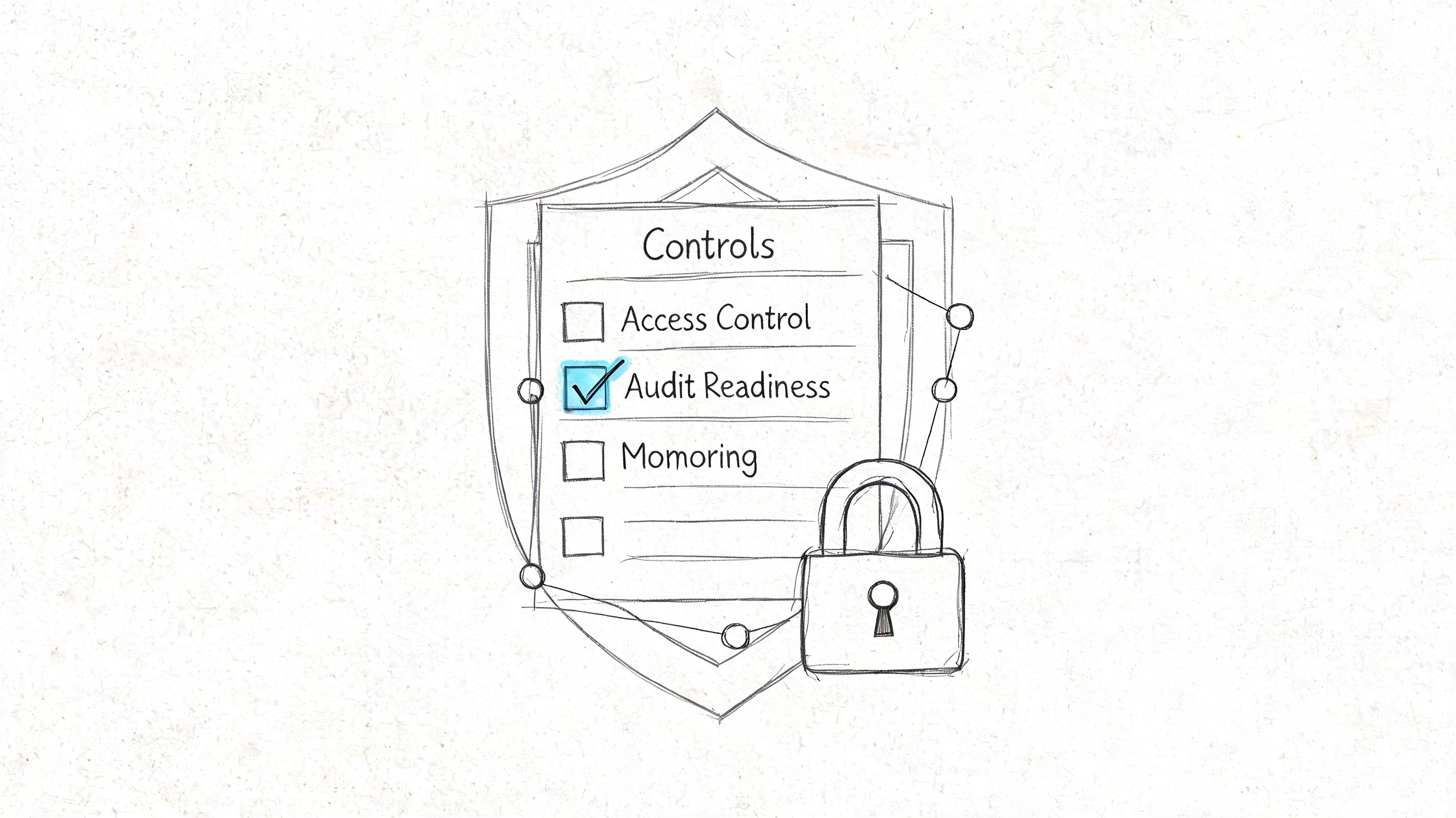
Show what you prepared, tested, and fixed
Generic audit bullets get ignored. Write bullets that show scope, timing, and ownership. Name the schedules, tie-outs, samples, support files, or control activities you handled. Add volume, frequency, entity count, or deadline pressure when you have it.
BeforeHelped with audits.AfterPrepared audit support schedules, organized monthly and year-end workpapers, responded to PBC requests, and reconciled supporting documentation to the general ledger for a multi-entity audit.BeforeWorked on internal controls.AfterDocumented accounting procedures, supported control testing, tracked open findings, and coordinated remediation with process owners to close control gaps before quarter-end testing.Go further if your role supports it. Include who requested the work and what happened next. Auditor requests, sample selection, walkthrough support, variance explanations, exception follow-up, and remediation tracking all belong here. If you cut back-and-forth with auditors, shortened request turnaround, or reduced repeat findings, say that in the bullet.
Placement matters. Put audit support and controls in the skills section only if your experience bullets prove it. Entry-level candidates should focus on documentation, reconciliations, PBC support, and workpaper organization. Mid-level candidates should add walkthroughs, testing support, issue tracking, and policy documentation. Senior candidates should show control ownership, remediation leadership, cross-functional coordination, SOX support, and audit timeline management.
If a posting asks for SOX or internal controls, mirror that wording in both your skills section and your experience bullets. Keep the language precise. Use prepared, documented, tested, reviewed, remediated, and archived. For help converting duty-based audit tasks into stronger results statements, use these resume accomplishment writing examples.
7. Cost Accounting and Budgeting
Cost accounting and budgeting belong on your resume when you influence pricing, spending, inventory, forecasting, or departmental planning. Don’t list budgeting as a standalone skill if all you did was update one tab in a spreadsheet.
Use keyword variants such as cost accounting, budgeting, standard costing, variance analysis, cost allocation, overhead analysis, inventory costing, margin analysis, forecasting support, department budgets, and budget-to-actual review. In manufacturing, add BOM costing or inventory valuation if accurate. In healthcare or nonprofit settings, use departmental budgeting, program costs, or grant budgeting if those fit.
Tie cost work to decisions
These bullets work because they show where the analysis went.
BeforeWorked on budgets and cost tracking.AfterPrepared budget-to-actual analyses for department leaders, explained spending variances, and updated rolling forecasts based on current operating results.BeforeHandled cost accounting tasks.AfterReviewed inventory and overhead cost data, analyzed margin trends by product line, and provided cost reports to operations and finance for planning decisions.If you’ve built dashboards, mention the tool and the audience. Excel, Power BI, Tableau, and SAP CO are common examples. If you partnered with plant managers, department heads, or operations leaders, say that. Budgeting is more persuasive when it’s tied to business action.
A budget bullet should show what changed after your analysis. If nothing changed, the bullet is too passive.
For junior resumes, emphasize support, reporting, and variance tracking. For senior resumes, emphasize ownership, planning cycles, and recommendations.
8. Accounting Software and ERP Systems Proficiency
Software skills decide whether your resume looks current or dated. Put them near the top of your skills section, then repeat the right systems in your bullet points with real accounting tasks attached.
Hiring teams do not want a generic software list. They want proof that you used the system for close, reconciliations, reporting, AP, AR, fixed assets, or audit support. Add platform names that match the job posting. Then add keyword variants that an ATS will catch.
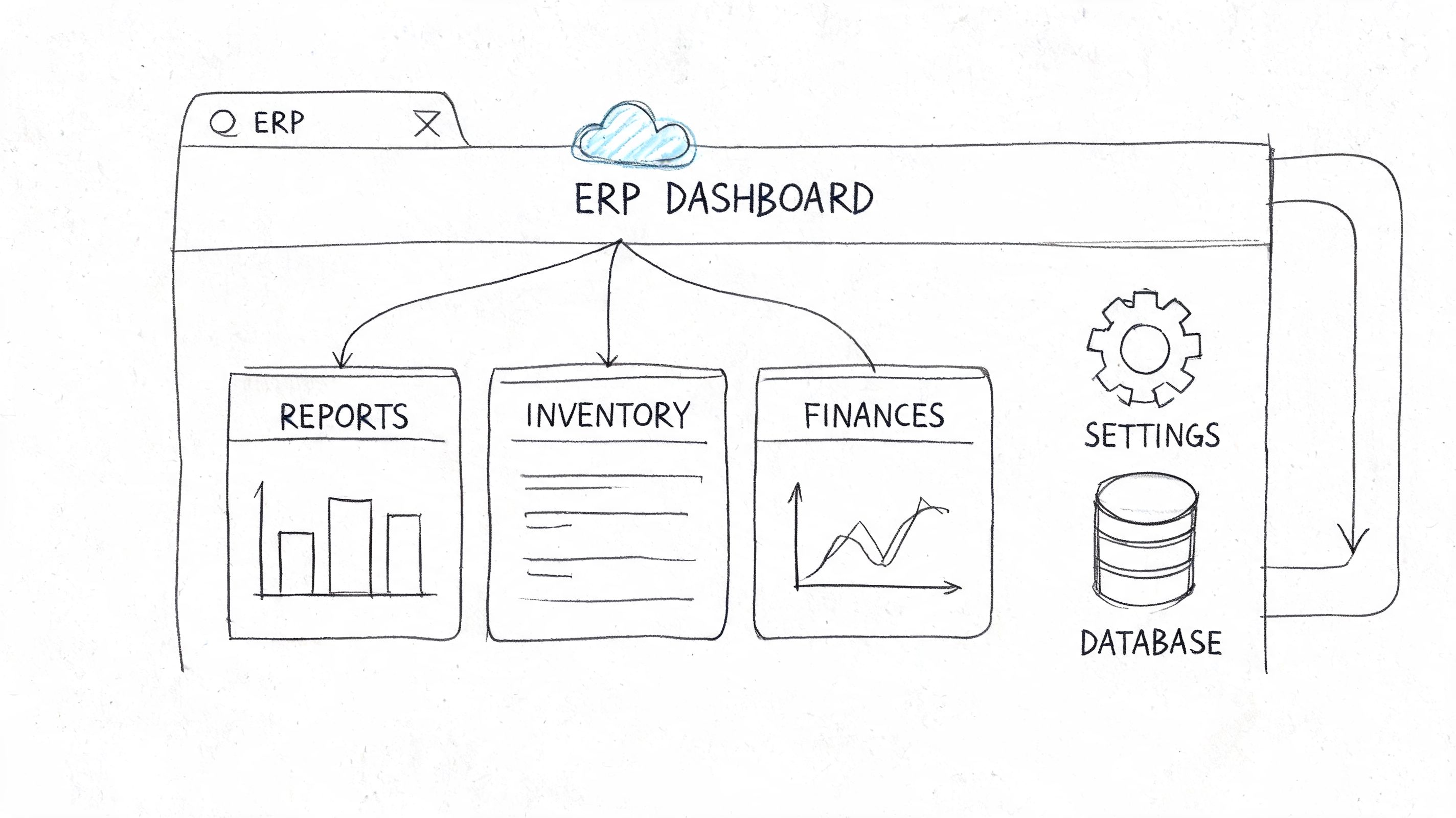
List systems with context
Use a clean format like this in your skills section:
- ERP systems SAP, Oracle NetSuite, Microsoft Dynamics, Sage Intacct
- Accounting platforms QuickBooks, Xero, FreshBooks, Bill.com
- Reporting tools Excel, Power BI, Tableau
- Data tools SQL, Power Query, pivot tables, lookup functions
Tailor this list by role and seniority. Staff accountants should prioritize transaction processing, reconciliations, close support, and reporting tools. Senior accountants and accounting managers should add ERP administration, system implementations, process automation, report design, testing, and cross-functional training where accurate.
Then prove the system in the experience section.
BeforeUsed NetSuite and Excel for accounting tasks.AfterUsed NetSuite to manage journal entries, reconciliations, and close support, and built Excel schedules to tie subledger activity to monthly reporting.BeforeWorked in SAP.AfterProcessed accounting transactions in SAP, reviewed master data for coding accuracy, and generated recurring reports for finance leadership.Add stronger keyword variants when they reflect your work. Use terms such as ERP, accounting software, financial systems, SAP FI, SAP CO, Oracle NetSuite, Microsoft Dynamics 365, Sage Intacct, QuickBooks, Xero, Bill.com, Excel modeling, Power BI reporting, SQL queries, Power Query, system implementation, UAT testing, data migration, workflow automation, report building, and master data maintenance.
For more on structuring this section cleanly, use this guide on how to list skills on your resume to get noticed fast.
Show automation, reporting, and system change work
The best software bullets show output, cleanup, or improvement. Write bullets about implementation support, report creation, data validation, system conversions, approval workflows, or recurring tasks you automated. Add metrics where you can.
Use bullets like these:
- Reduced monthly close reporting time by 2 days by rebuilding Excel and Power Query workflows tied to ERP exports.
- Supported NetSuite data cleanup during system transition, validated account mappings, and corrected legacy records before go-live.
- Built recurring AP and cash reporting dashboards in Power BI for controllers and department leaders.
- Tested invoice workflows and user permissions during ERP rollout, documented defects, and helped train end users.
If you used AI features, name the workflow, not the buzzword. Write automated reconciliations, OCR invoice capture, anomaly flags, or forecasting support only if you used them.
For a broader operations view, this overview of optimizing financial operations with ERP systems can help you borrow more precise process language.
A short walkthrough can also help if you’re revising the software section layout:
9. GAAP and IFRS Accounting Standards Knowledge
Standards knowledge only counts when you show where you applied it. Replace generic claims with the rule, transaction type, and business impact. Write GAAP and IFRS bullets that show judgment, policy work, and review responsibility.
Use ATS variants that match the job posting and your actual work: GAAP, IFRS, ASC 606, ASC 842, revenue recognition, lease accounting, technical accounting research, accounting policy, financial statement presentation, contract review, capitalization policy, and policy documentation. Skip keyword stuffing. Pick the terms tied to your transactions, reporting scope, and level.
Name the standard, then show the work
Compare these versions:
BeforeKnowledge of GAAP and IFRS.AfterApplied GAAP during monthly close and external reporting, including revenue recognition review, expense classification, and balance sheet presentation.BeforeHandled lease accounting and revenue issues.AfterSupported ASC 842 lease accounting, reviewed contract terms for revenue recognition treatment, and documented conclusions under company policy.Add this skill in the right place. Staff accountants can keep GAAP in a skills section if their experience bullets are still light. Senior accountants, controllers, revenue accountants, and technical accounting candidates should spread standards language across multiple bullets in the experience section. That is how you show scope.
Use metrics where they fit. Standards work is often review-driven, so count contracts, entities, leases, memos, audit requests, or policy updates.
Use bullets like these:
- Reviewed 45 customer contracts per quarter for revenue recognition treatment under ASC 606 and escalated nonstandard terms before invoicing.
- Prepared lease schedules for 120 plus agreements under ASC 842, updated amortization entries, and supported quarterly disclosure reporting.
- Drafted 6 technical accounting memos on capitalization, expense classification, and financial statement presentation for controller and audit review.
- Updated accounting policy documentation after acquisition integration, aligning reporting treatment across 3 entities under GAAP.
- Supported IFRS reporting package preparation for multinational consolidation, reconciled local adjustments, and cleared reporting questions before close.
If you used IFRS, make that explicit only when it was part of consolidation, statutory reporting, or cross-border policy alignment. If your role was purely U.S. reporting, stick with GAAP and the relevant ASC topics. Be specific. Precision gets interviews.
10. Financial Analysis and Forecasting
Forecasting earns space on an accounting resume only when you built projections, updated models, tested scenarios, or explained what changed and why. Historical reporting alone does not prove this skill.
Use ATS terms that match the posting and your actual work: financial analysis, forecasting, financial modeling, scenario analysis, rolling forecast, variance analysis, trend analysis, cash forecasting, budgeting support, planning support, and business partnering. Pick the exact phrase used in the job ad when it fits your experience.
Put this skill where hiring teams expect to see evidence. Early-career accountants can list forecasting in the skills section, but they still need one bullet that shows analysis tied to a business decision. Senior accountants, controllers, and candidates moving toward FP&A should spread forecasting language across multiple experience bullets. Show scope, frequency, and audience.
Use metrics. Count forecast cycles, business units, budget size, variance reduction, reporting cadence, or decision turnaround time.
BeforeHelped with forecasting.AfterUpdated monthly rolling forecasts for 4 departments, revised revenue and expense assumptions, and delivered variance commentary that improved budget accuracy during quarterly planning.BeforePerformed analysis for management.AfterBuilt recurring financial analysis in Excel and Power BI to compare actuals against forecast, identify margin trends across 3 product lines, and support pricing and hiring decisions.Use stronger bullets like these:
- Built a 12-month cash forecast for 3 entities, tracked weekly actuals against projections, and flagged shortfalls early enough to adjust payment timing.
- Prepared monthly variance analysis for a $15M operating budget, identified overspend drivers, and presented corrective actions to department leaders.
- Updated rolling revenue forecasts using sales pipeline, historical trends, and seasonality assumptions, improving forecast alignment during quarterly reforecast cycles.
- Modeled best-case, base-case, and downside scenarios for expense planning, helping leadership set headcount and vendor spending targets.
- Automated forecast reporting in Excel and Power BI, cutting monthly analysis prep time by 6 hours and improving visibility into budget-to-actual changes.
Name tools only when they changed the outcome. Write Excel if you built models. Write Power BI, Tableau, SQL, or Python if you used them to clean data, automate reporting, or improve forecast accuracy. Do not dump tool names into a skills list without proof in your bullets.
Tailor the language by role. Staff accountants should emphasize variance analysis, budgeting support, and cash forecasting. Senior accountants can add scenario analysis, management reporting, and forecast ownership. Controllers should stress cross-functional planning, board or executive reporting, and recommendations tied to cash flow, margin, or spending control. Precision gets interviews.
Top 10 Accounting Resume Skills Comparison
| Skill | Implementation Complexity 🔄 | Resource & Tool Needs ⚡ | Expected Outcomes 📊 | Ideal Use Cases | Key Advantages ⭐ / Practical Tip 💡 |
|---|---|---|---|---|---|
| Financial Statement Analysis & Reporting | 🔄 Moderate–High: technical judgment and standards interpretation | ⚡ Excel, Power BI/Tableau, ERP data, GAAP/IFRS guidance | 📊 Clear financial insights, forecasts, ratio-driven decisions | Management reporting, investor relations, FP&A | ⭐ High-impact and versatile, 💡 Quantify results and list methodologies |
| General Ledger & Accounts Reconciliation | 🔄 Low–Moderate: routine but detail‑oriented processes | ⚡ GL systems (QuickBooks, NetSuite), reconciliation tools | 📊 Accurate ledgers, month‑end close, audit readiness | Day‑to‑day accounting, month/year‑end close, small firms | ⭐ Foundational reliability, 💡 Frame as risk management and quantify reconciliations |
| Tax Preparation & Compliance | 🔄 High: complex regulations and seasonal peaks | ⚡ Tax software (CCH, Drake), tax code resources, CPA/EA credentials | 📊 Compliance, reduced tax liability, audit defense | Tax season, corporate tax planning, client advisory | ⭐ Specialized/high value, 💡 Cite forms prepared and quantify tax savings |
| Accounts Payable & Vendor Management | 🔄 Low–Moderate: process‑driven with control points | ⚡ AP systems (SAP, Oracle, Bill.com), PO/3‑way match tools | 📊 Timely vendor payments, optimized cash flow, fewer disputes | Procurement‑intensive organizations, retail, manufacturing | ⭐ Operational cashflow impact, 💡 Quantify invoice volume and savings from improvements |
| Accounts Receivable & Collections | 🔄 Moderate: combines process and customer negotiations | ⚡ AR/CRM systems, aging reports, credit assessment tools | 📊 Improved cash flow, lower DSO, reduced bad debt | B2B/SaaS recurring billing, services firms, collections teams | ⭐ Direct cash impact, 💡 Lead with DSO improvements and collection rates |
| Audit Support & Internal Controls | 🔄 High: standards, testing, and documentation required | ⚡ Audit tools (TeamMate, ACL), COSO/SOX frameworks, workpapers | 📊 Stronger controls, reduced audit risk, compliance evidence | Public companies, regulated industries, SOX environments | ⭐ Critical for governance, 💡 Reference frameworks and remediation metrics |
| Cost Accounting & Budgeting | 🔄 Moderate–High: modeling and allocation judgment | ⚡ Cost systems, Excel/BI, ERP CO module, cross‑functional data | 📊 Cost visibility, budget accuracy, profitability analysis | Manufacturing, healthcare, operations cost management | ⭐ Drives efficiency and margins, 💡 Quantify cost savings and forecast accuracy |
| Accounting Software & ERP Systems Proficiency | 🔄 High (varies): steep learning for complex ERPs | ⚡ SAP/Oracle/NetSuite, SQL, RPA, implementation experience | 📊 Increased efficiency, scalable reporting, fewer manual errors | ERP implementations, multi‑entity finance operations | ⭐ Universally required/valuable, 💡 List platform levels and certifications |
| GAAP & IFRS Accounting Standards Knowledge | 🔄 High: evolving technical standards and judgment calls | ⚡ Standards literature, technical research tools, CPE training | 📊 Accurate, compliant financial statements and disclosures | SEC reporting, international consolidation, technical accounting roles | ⭐ Fundamental for reporting integrity, 💡 Cite specific standards and implementation examples |
| Financial Analysis & Forecasting | 🔄 High: advanced modeling and scenario complexity | ⚡ Excel (VBA), Python, BI tools, historical/assumption datasets | 📊 Strategic forecasts, valuation, scenario‑based decisions | FP&A, corporate development, investment analysis | ⭐ High strategic value, 💡 Showcase model complexity and forecast accuracy metrics |
What to do now
Audit your current resume. Compare your skills and bullet points against the 10 skills listed here. Identify gaps.
Select the most relevant skills. Choose 5 to 7 skills that most closely match the requirements of the job you are targeting. Prioritize these in a dedicated Skills section.
Rewrite your experience bullet points. Use the examples in this guide to quantify your achievements where you have real numbers. Replace generic duties with specific, metric-driven accomplishments for each relevant skill.
Check for ATS keywords. Copy the job description for your target role and paste it into Resumatic's resume builder. The tool can identify the exact keywords and skills you need to include, which helps you align your resume with the posting.
After that, review your LinkedIn profile and make sure the same skill language appears there too. Your resume and profile should reinforce each other, not describe two different versions of your background. If you need to tighten that profile, start with this guide on how to build your LinkedIn brand.
If you want to speed up the rewrite, Resumatic can help you paste in a job description, identify missing keywords, draft stronger achievement-focused bullets, and check whether your resume is aligned with ATS parsing requirements.
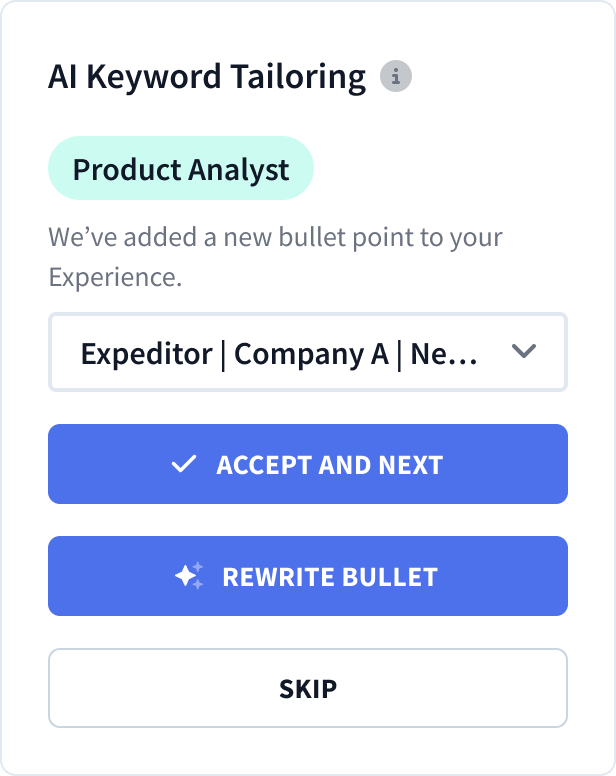
Automatic AI Resume Tailoring
Customize your resume with AI-guided precision.